

Top adaptogen herbs to boost stress resilience naturally
Finding a reliable adaptogen herb is harder than it should be. The market is crowded with products making broad claims, yet the clinical picture is far more specific: formulation and extract standardisation determine whether a product delivers measurable stress relief or simply looks good on a label. For professionals managing chronic cognitive load and looking to move beyond caffeine dependency, the difference between a well-studied extract and a generic powder is the difference between real results and wasted money. This article cuts through the noise with evidence-based criteria, individual herb profiles, and a direct comparison to help you make an informed choice.
Table of Contents
- How to assess adaptogen herbs for stress resilience
- Ashwagandha: The best-studied adaptogen for daily stress
- Rhodiola rosea: Fatigue fighter with mixed research
- Panax ginseng: Beyond stress to cognitive performance
- Comparison table: Key adaptogen herbs for stress resilience
- Our perspective: The standardisation gap most brands ignore
- Explore MindFlow’s functional wellness range
- Frequently asked questions
Key Takeaways
| Point | Details |
|---|---|
| Evidence matters | Choose adaptogen herbs with clinical backing and clear standardisation for predictable results. |
| Ashwagandha leads | Ashwagandha is the best-studied adaptogen for reducing stress and anxiety in adults. |
| Product quality counts | Herb effectiveness depends greatly on extract quality, not just the plant name on the label. |
| Results take time | Measurable benefits on stress or cognition from adaptogens often require at least 3–8 weeks of consistent use. |
How to assess adaptogen herbs for stress resilience
Before you pick an adaptogen, you need a framework that goes beyond marketing copy. Most product pages lead with vague benefit claims. What actually matters is whether the specific extract, at the specific dose, was tested in a controlled human trial.
Why standardisation is the starting point
Standardisation refers to the process of guaranteeing a minimum concentration of the active compounds in an extract. For ashwagandha, that means withanolides. For Panax ginseng, it means ginsenosides. A product labelled simply as “ashwagandha root powder” may contain a fraction of the active compound present in a standardised extract used in clinical trials. The two are not interchangeable, and standardisation and product quality are the first filters worth applying when you evaluate any adaptogen product.
Key criteria to apply before buying
- Clinical outcome measures: Look for trials using validated scales such as the Perceived Stress Scale (PSS) or the Hamilton Anxiety Rating Scale (HAM-A). These are objective, reproducible tools, not self-reported “I felt better” surveys.
- Biomarker data: Cortisol reduction is the most commonly measured physiological marker in adaptogen research. Trials reporting cortisol changes alongside subjective scales carry more weight.
- Extract identity: Does the product use the same proprietary extract tested in the cited trial? Many brands cite research conducted on a named extract (such as KSM-66 or Sensoril for ashwagandha) while selling a different, cheaper form.
- Dose alignment: The dose in the product should match the dose used in the clinical study. A 150mg capsule citing a trial that used 600mg per day is not evidence of efficacy at that lower dose.
- Trial duration: Most adaptogen trials run for 8 to 12 weeks. Short-term results are less reliable indicators of real-world benefit.
“Adaptogen and product category claims vary substantially by formulation and extract standardisation. Clinical studies commonly use standardised proprietary extracts and designs, making it unsafe to generalise across products.” This is not a minor caveat. It is the single most important thing to understand before spending money on any adaptogen product.
Pro Tip: Always check whether the product uses the exact extract and dose shown in the clinical trials cited on the label. If the brand cannot tell you, that is your answer.
Ashwagandha: The best-studied adaptogen for daily stress
With our criteria in hand, ashwagandha is the logical first stop. It has the deepest clinical evidence base of any adaptogen for stress and anxiety support in adults.

What the research actually shows
A systematic review and meta-analysis covering randomised clinical trials found consistent reductions in perceived stress and anxiety scores, alongside measurable decreases in serum cortisol, in adults using standardised ashwagandha extracts. Across 15 randomised controlled trials involving 873 participants, outcomes were measured using validated tools including the PSS and HAM-A. The evidence is not anecdotal. It is replicated, peer-reviewed, and specific to standardised extracts.
What makes ashwagandha stand out
- Cortisol reduction: Multiple trials reported statistically significant reductions in morning cortisol, which is the most direct physiological marker of chronic stress load.
- Anxiety scale improvements: HAM-A scores improved meaningfully in intervention groups compared to placebo, particularly in adults reporting moderate to high baseline stress.
- Sleep quality as a secondary benefit: Several trials noted improved sleep onset and quality, which is relevant for professionals whose stress manifests as poor recovery.
- Safety profile: Ashwagandha has a well-documented safety profile at doses of 300 to 600mg per day of standardised extract, with no serious adverse events reported in most trials.
Timeline and practical use
Most trials ran for 8 weeks before measuring primary outcomes. You should not expect dramatic changes in the first two weeks. The mechanism is not stimulatory like caffeine. Ashwagandha works by modulating the hypothalamic-pituitary-adrenal (HPA) axis, the system that regulates your cortisol response. That takes time to shift.
Pro Tip: Not all ashwagandha is equal. Generic root powder and standardised extracts are categorically different products. Look for the extract name, the withanolide percentage, and the dose used in the cited trial before purchasing.
Rhodiola rosea: Fatigue fighter with mixed research
Next, we turn to rhodiola, often promoted for fatigue and mental performance. Its reputation is strong in wellness circles, but the clinical picture is more complicated.
What rhodiola is used for
Rhodiola rosea is a root extract traditionally used in Eastern European and Scandinavian medicine for physical endurance and mental resilience under stress. Its primary active compounds are rosavins and salidroside. It is commonly marketed for combating burnout, reducing fatigue, and supporting cognitive performance under pressure.
Where the evidence gets complicated
A systematic review of rhodiola for fatigue and stress found significant methodological limitations across available trials. Studies were heterogeneous in design, used different extracts, applied different outcome measures, and produced contradictory results. The review did not support a universal recommendation for rhodiola as a stress or fatigue intervention.
- High risk of bias: Many trials lacked adequate blinding or had small sample sizes.
- Extract inconsistency: Unlike ashwagandha, there is no single dominant standardised extract with a large body of replication behind it.
- Contradictory outcomes: Some trials reported fatigue reduction; others showed no significant difference from placebo.
- Potential interactions: Rhodiola may interact with medications affecting serotonin or dopamine pathways, which is worth flagging for professionals managing mental health conditions.
When rhodiola may still be worth considering
The absence of strong universal evidence does not mean rhodiola has no value. If you are specifically targeting acute fatigue in a short-term, high-demand period, some trial data suggests benefit. The key is choosing a product with a defined rosavin and salidroside content, not a generic blend.
“The evidence base for rhodiola remains inconsistent. Until higher-quality, well-powered trials are conducted with standardised extracts, extrapolating results across products is not scientifically justified.”
This is the honest position. Rhodiola is not without potential, but it requires more caution than ashwagandha when making purchasing decisions based on clinical evidence.
Panax ginseng: Beyond stress to cognitive performance
For professionals seeking both stress management and a cognitive edge, Panax ginseng presents a distinct profile. Its evidence is product-specific, but where it exists, it is meaningful.
What the RCT data shows
A randomised controlled trial using 200mg per day of hydroponically grown red Panax ginseng with defined ginsenoside content found improvements in both Perceived Stress Scale scores and performance on cognitive tasks in moderately stressed adults. Effects were observable at three weeks, which is notably faster than the eight-week window typical of ashwagandha trials.
Key considerations for ginseng
- Ginsenoside content is everything: The trial used a product with a defined, verified ginsenoside profile. Generic ginseng root powder or low-dose capsules are unlikely to replicate these outcomes.
- Cognitive task performance: Unlike ashwagandha, which primarily targets the stress and cortisol axis, ginseng showed improvements in working memory and attention tasks. This makes it relevant for professionals whose primary concern is cognitive output under pressure.
- Shorter onset: Three weeks to measurable effect is a practical advantage for people who want faster feedback on whether a product is working.
- Dose specificity: The 200mg dose used in the trial is relatively modest. Higher doses do not necessarily produce better outcomes and may increase the risk of side effects such as insomnia or headaches.
Who should consider Panax ginseng
If your primary goal is stress resilience combined with sustained cognitive performance, and you are willing to invest in a product with verified ginsenoside content, ginseng is a credible option. It is particularly relevant as a caffeine alternative because it supports alertness and focus through a non-stimulatory mechanism.
Comparison table: Key adaptogen herbs for stress resilience
After reviewing individual herbs, this comparison makes it straightforward to match your needs to the right option. Note that product quality in adaptogen research determines whether any of these outcomes are replicable in a given product.
| Herb | Clinical evidence strength | Standardisation marker | Time to effect | Primary use case | Key caution |
|---|---|---|---|---|---|
| Ashwagandha | Strong (15 RCTs, meta-analysis) | Withanolides (%) | ~8 weeks | Stress, anxiety, cortisol | Extract identity matters |
| Rhodiola rosea | Mixed (methodological limits) | Rosavins, salidroside | Variable | Acute fatigue | High bias in trials |
| Panax ginseng | Moderate (product-specific RCT) | Ginsenoside content | ~3 weeks | Stress + cognition | Dose and source critical |
The table reflects a core principle in standardised extract research: even when an ingredient has clinical support, the outcome depends on the extract process and standardisation. A product using a different extraction method, a lower dose, or a generic form of the herb cannot claim the same evidence base as the trial it cites.
Practical decision guide
- Choose ashwagandha if your primary goal is reducing daily stress load and cortisol over an 8-week period.
- Consider Panax ginseng if you need combined stress and cognitive support with a faster feedback window.
- Approach rhodiola with caution unless you have a specific short-term fatigue goal and can source a product with verified rosavin content.
Our perspective: The standardisation gap most brands ignore
The functional wellness market has a transparency problem. Brands routinely cite clinical trials on proprietary extracts while selling products that share only the herb name with the studied ingredient. This is not fraud in most jurisdictions, but it is misleading in practice.
We think the most useful shift you can make as a consumer is to stop asking “does ashwagandha work?” and start asking “does this specific product, at this dose, using this extract, have clinical support?” Those are different questions with different answers.
The second issue is dosing conservatism. Many products underdose to reduce cost. A 150mg ashwagandha capsule citing trials conducted at 600mg per day is not supported by that research. The label looks credible. The dose is not.
There is also a broader point worth making about the caffeine replacement conversation. Adaptogens do not replace caffeine in a mechanistic sense. Caffeine blocks adenosine receptors and produces rapid, measurable stimulation. Adaptogens modulate stress-response systems over weeks. They are not substitutes. They are a different category of support entirely. The professionals who get the most value from adaptogens are those who use them to reduce baseline stress load, not as a morning energy hit. That distinction changes how you evaluate, purchase, and use these products.
Formulation format also matters more than most people realise. A well-formulated functional product, whether a mushroom coffee alternative, a functional tea blend, or a daily gummy, can deliver a consistent dose in a format that fits naturally into your routine. Consistency is what drives outcomes in adaptogen research. The best extract in the world does not work if you forget to take it.
Explore MindFlow’s functional wellness range
If you have been navigating the adaptogen market and finding it difficult to identify products built on genuine formulation standards, MindFlow’s range is worth exploring.
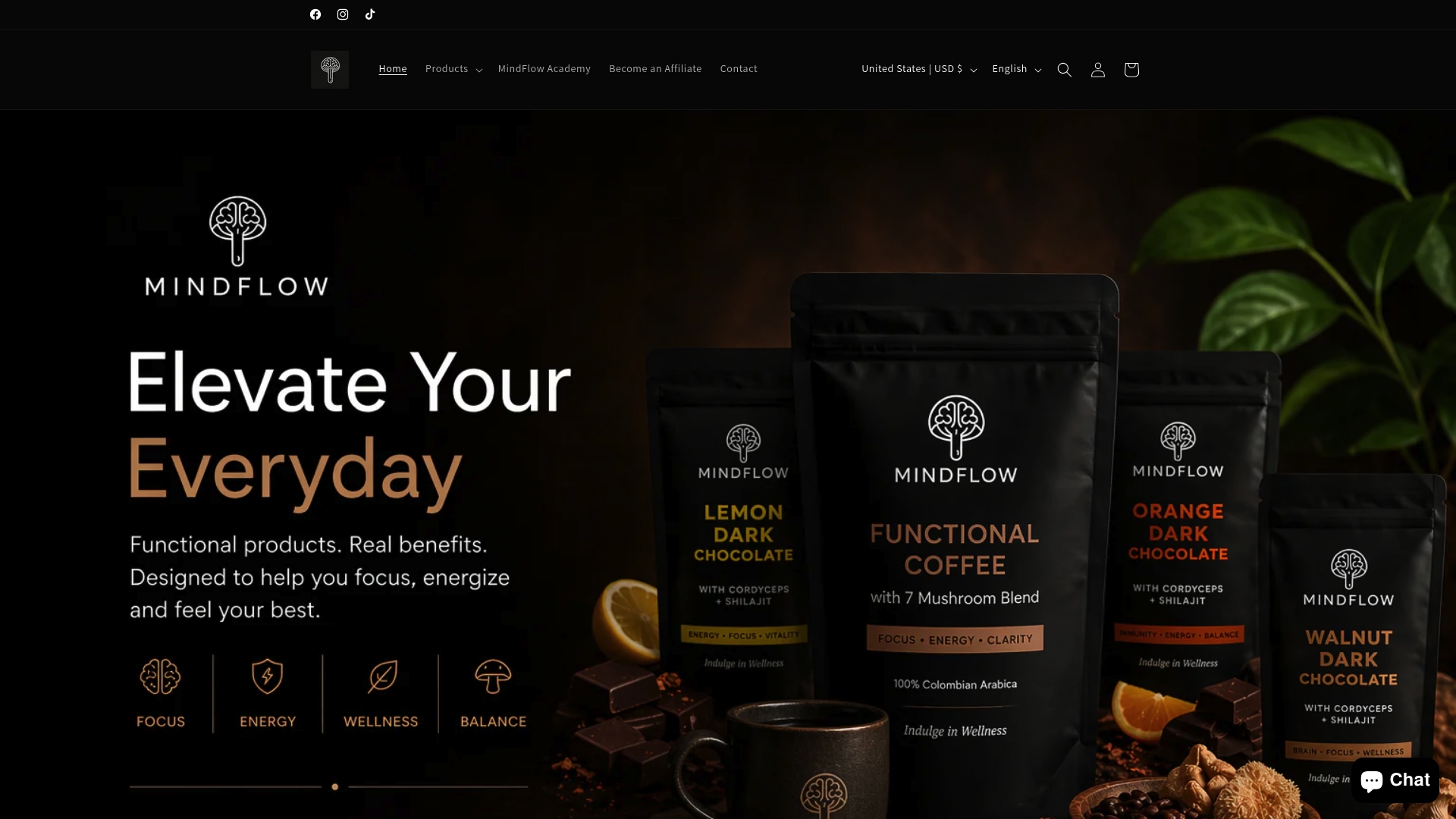
MindFlow formulates each product with purpose, combining adaptogens, nootropics, and botanicals in formats designed for daily consistency: functional chocolates, mushroom coffee alternatives, functional tea blends, and mushroom gummies. Every product is built around the principle that the format should support the habit, and the habit should support the outcome. Visit MindFlow to explore the full range, or browse the functional mushroom powders collection if you are looking for ingredient-forward options with clear standardisation.
Frequently asked questions
What is the safest adaptogen for long-term use?
Ashwagandha is widely studied and generally considered safe for long-term use, particularly in standardised extracts with verified withanolide content. Clinical trial evidence supports its safety profile across multi-week interventions.
How quickly can you expect results from adaptogen herbs?
It typically takes 3 to 8 weeks of consistent use to see measurable effects. Panax ginseng trials observed effects at three weeks, while ashwagandha studies typically used 8-week intervention periods before measuring primary outcomes.
Are multi-herb adaptogen blends better than single herbs?
Not necessarily. Evidence is specific to the blend, extract, and standardisation used. Clinical research consistently shows that effects from one proprietary formulation cannot be generalised to other combinations, even when they share ingredient names.
Can adaptogens fully replace caffeine for focus and energy?
Adaptogens support stress resilience and some cognitive functions, but the mechanism is fundamentally different from caffeine’s stimulatory action. Panax ginseng RCT data showed improvements in stress and cognitive task performance, but this is not equivalent to the rapid alertness caffeine produces.